

Mohammad Bagher Ghalibaf, the Iranian parliamentary speaker who led Iran’s first round of negotiations with JD Vance in Islamabad, delivered a significant televised address today laying out Tehran’s narrative of the war, the ceasefire, and the ongoing diplomatic track.
The tone is firm but calibrated. He presents Iran as having gained the upper hand on the battlefield without overstating its power, stresses that negotiations are a continuation of that leverage rather than a concession, and underscores deep mistrust of the United States alongside a stated aim of securing a “lasting peace.”
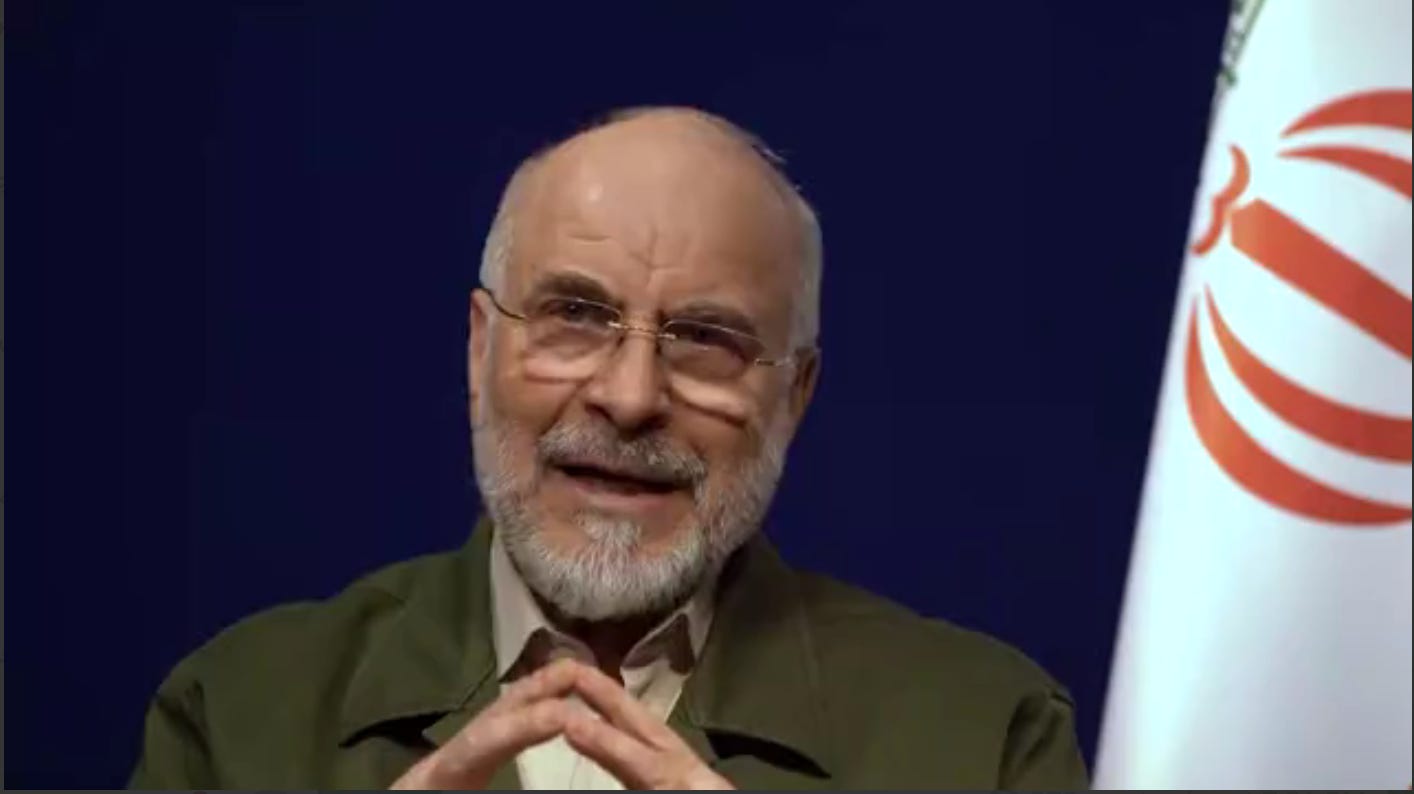
He also highlights the central role of public mobilization, reiterates that Iran’s negotiating positions remain aligned with the Supreme Leader, and signals that tools like the Strait of Hormuz remain in reserve as leverage.
Taken together, the address offers a revealing window into how Iran’s leadership is framing both the war’s outcome and the path ahead.
Below is the full English translated transcript of his remarks:
Firstly, I offer greetings and respect to all the dear and noble nation of Iran—an aware, insightful, and brave nation.
I offer congratulations and condolences to all the families who have lost their loved ones, their children, their spouses, their friends—and in one sense, have gained them.
I express my sympathy with them, and I ask the Great God that we behave and act in such a way that we are not indebted to these dear and proud people.
I am grateful to the Great God for the opportunity to speak with our dear people today, though it certainly would have been better to speak with our dear people sooner;
however, work preoccupations and work pressure rarely gave me this opportunity.
Because I always believe that knowing and being informed is the definitive right of the people, and naturally, especially in these conditions, it is our duty.
[Interviewer]:
One of your main questions in the two previous sessions when you spoke was regarding the war—a descriptive-operational account of the state of the war and the victories we had, the points that existed, the concerns.
Currently, how do you see the state of the war and Iran’s position?
Is the upper hand with the Islamic Republic, or is the American position placed higher?
[Ghalibaf]:
Well, look, the start of the war was a continuation of that same bullying and mistrust that existed with America.
Again, you saw that in the middle of negotiations they made this move.
That time, they came and martyred our commanders.
This time, at the start of their work, they came and martyred our martyred Imam [Leader].
