

As reports emerge that Iran and Oman are nearing an agreement on the future of shipping through the Strait of Hormuz, much of the discussion has focused on whether Tehran will collect transit fees or so called “service charges.” That debate increasingly misses the central issue.
Money does not appear to be Iran’s primary objective, or even its most important one. The more consequential question is whether the outcome of the war leaves Tehran with a durable political and institutional role in shaping how one of the world’s most strategically important waterways is governed,
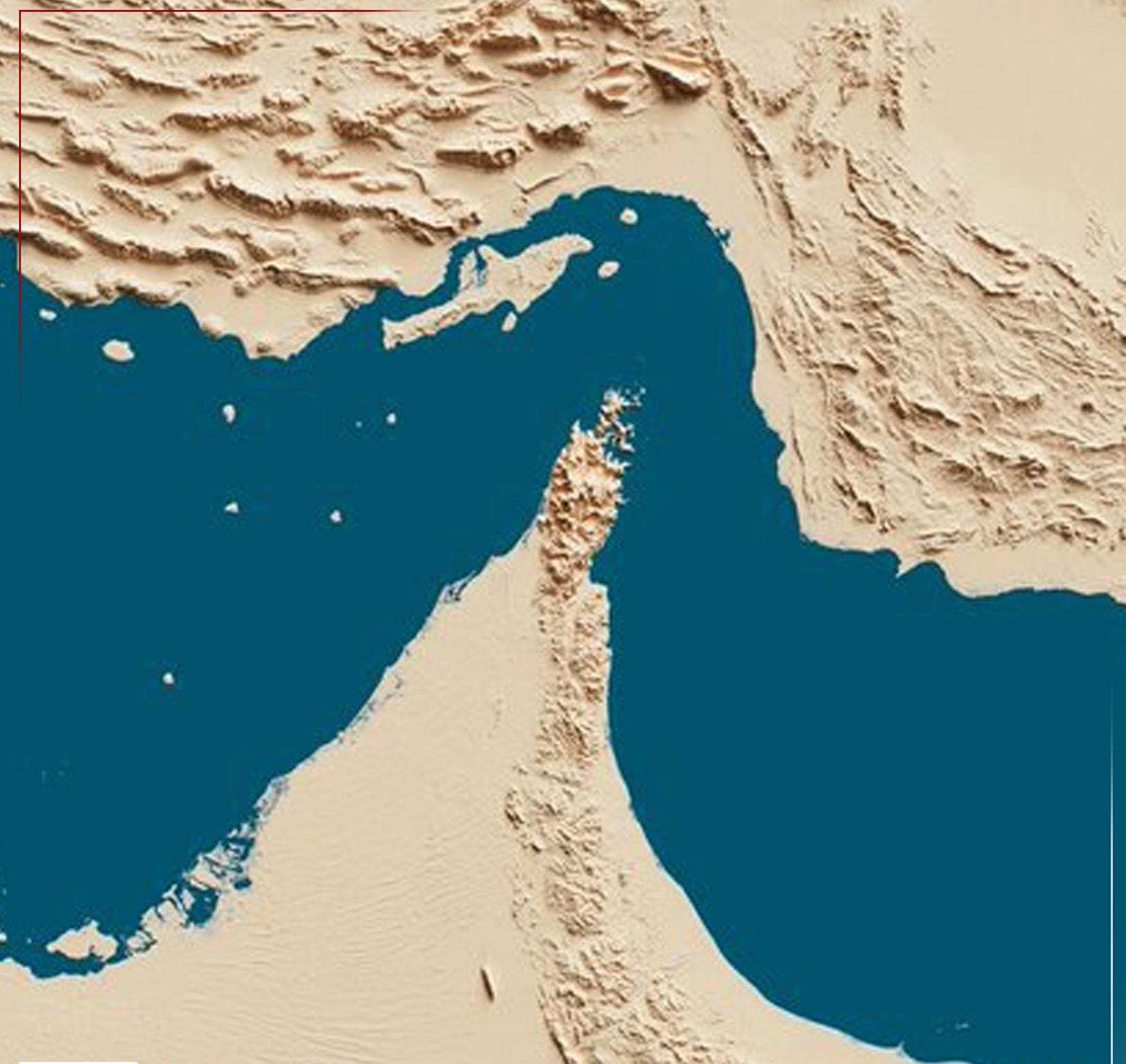
The Strait of Hormuz
Recent reporting by The New York Times and Reuters suggests the contours of that arrangement are beginning to emerge. While details remain disputed, the broad direction is striking. According to Reuters, Iran is seeking full authority over inbound shipping, visibility over outbound traffic, and the ability to intervene when necessary. The New York Times similarly reports that inbound traffic would use a channel under Iranian control while outbound traffic would transit near Oman. Iranian officials continue to deny they are seeking tolls, insisting instead that any fees would compensate for maritime services, environmental protection, and security. American officials dispute aspects of those accounts, underscoring that negotiations remain fluid. Taken together, the reporting suggests these talks are evolving into something larger than a technical agreement to resume shipping. Iranian officials describe them as negotiations over the postwar governance of the Strait, while insisting that reopening Hormuz itself will remain a separate matter contingent on broader U.S.-Iran negotiations. Meanwhile, U.S. officials appear willing to treat such an arrangement as the price of reopening Hormuz.
That distinction is easy to overlook because most outside proposals still begin from the assumption that the objective is restoring freedom of navigation as quickly as possible. Some envision modest maritime service fees. Others propose multinational governance arrangements modeled on the Strait of Malacca or other international waterways. These are thoughtful attempts to reconcile competing interests, but they may not fully capture what Iranian officials themselves describe as the purpose of these negotiations.
The clearest indication comes from recent statements by senior Iranian officials. Deputy Foreign Minister Kazem Gharibabadi argued that the prewar Traffic Separation Scheme was no longer acceptable because it left Tehran with insufficient oversight over commercial vessels entering and leaving the Persian Gulf. Foreign Ministry spokesman Esmail Baghaei later echoed the same principle in more cautious diplomatic language, explaining that Iran and Oman are negotiating entirely new inbound and outbound shipping lanes rather than restoring either the previous northern or southern routes. He emphasized that the purpose is to safeguard the sovereign rights and national security of both countries and that these talks remain separate from the broader question of reopening the Strait itself.
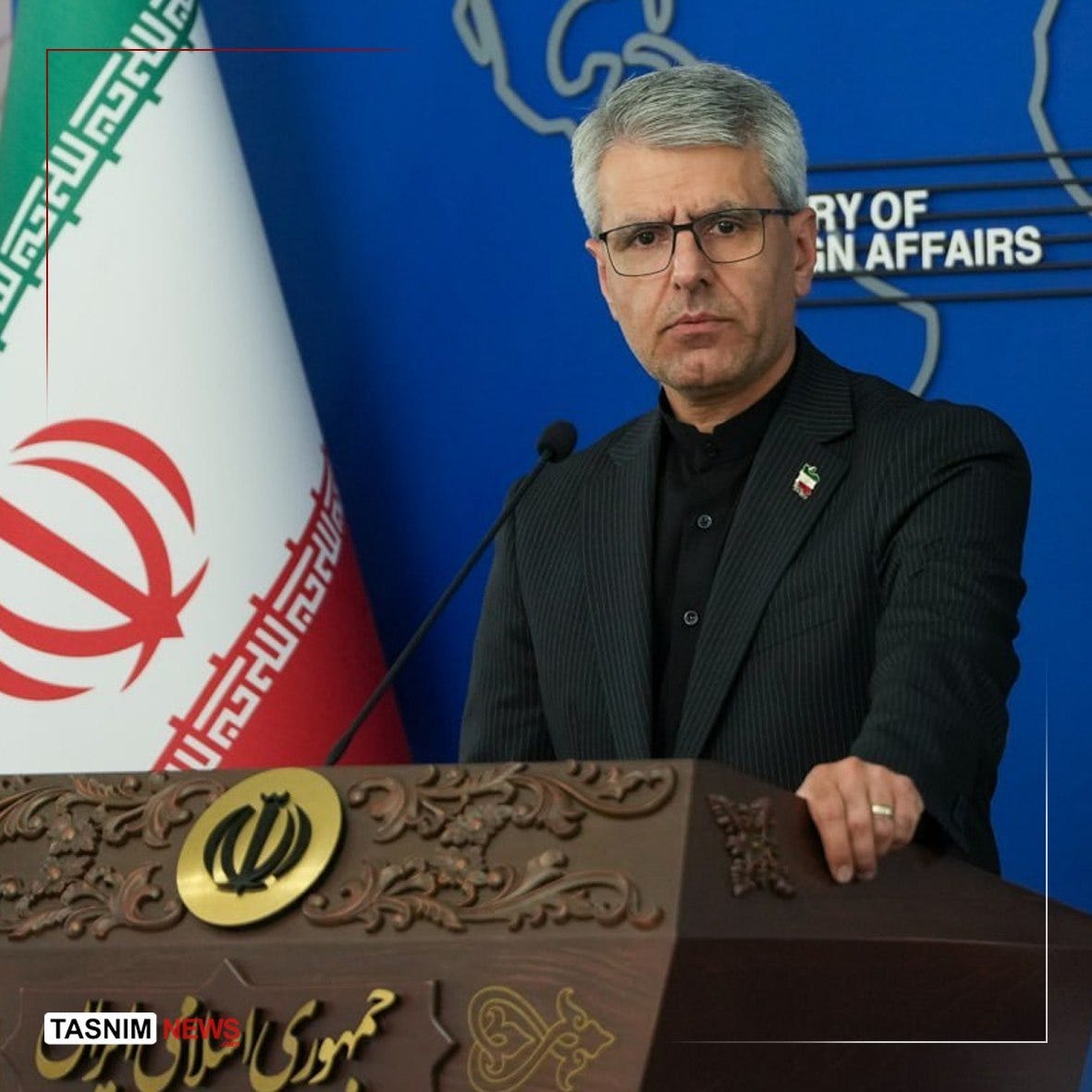
Iranian Foreign Ministry Spokesperson Esmail Baghaei
Taken together, these statements point toward something considerably more ambitious than collecting fees. They suggest Iran is attempting to convert the leverage it acquired during the war into a durable feature of the postwar regional order.
That distinction matters because wartime leverage is inherently temporary. It depends on military capabilities, the willingness to continue fighting, and the constant threat of renewed disruption. Institutionalized leverage survives after the shooting stops. If the routing of commercial traffic, maritime services, and the oversight of inbound and outbound shipping are reorganized in ways that give Iran an enduring role in managing traffic through Hormuz, Tehran would preserve much of its strategic influence without relying on continual military coercion.
Seen through this lens, Iranian references to sovereignty are less about claiming ownership over an international waterway than about ensuring that the political architecture governing Hormuz no longer reflects the prewar status quo. The objective is not necessarily unilateral control. Rather, it is to institutionalize a governance arrangement that recognizes Iran as an indispensable participant in overseeing maritime traffic and embeds that role in durable rules rather than temporary wartime realities.
This also helps explain why proposals centered primarily on modest transit fees or shared regional administration may not fully address Tehran’s publicly stated objectives. If revenue were the principal goal, sanctions relief and unrestricted oil exports would provide economic gains likely exceeding anything realistically obtainable through maritime fees. Instead, Iranian officials have consistently emphasized routing, oversight, maritime administration, sovereign rights, and security. Those are questions of political authority, not simply economics.
That creates a fundamental tension for Washington. The Trump administration urgently wants commercial shipping to resume because the economic and political costs of prolonged disruption continue to mount. Yet the more the negotiations move toward recognizing a lasting Iranian role in administering maritime traffic through Hormuz, the harder it becomes for Washington to argue that the war restored the regional order it originally set out to defend. Secretary of State Marco Rubio has framed the issue as preserving freedom of navigation and preventing any precedent that allows states to control international waterways. Tehran increasingly frames it as correcting what it sees as an outdated governance arrangement that failed to reflect Iran’s security interests and strategic position after the war.
Whether such an agreement ultimately emerges remains uncertain, and American and Iranian accounts of the negotiations continue to diverge. But one thing is becoming increasingly clear. The central question is no longer simply whether Hormuz will reopen. It is who will exercise lasting authority over the rules governing maritime traffic once it does. If recent Iranian statements are taken seriously, Tehran is negotiating not merely for economic compensation, but for an institutional role that preserves its wartime leverage long after the war itself has ended.